Locating Skilled Commercial Builders Smart
Understanding the Role of a Commercial General Contractor in Providing Excellent Project Results
A commercial general contractor is indispensable in the construction field. They confirm projects adhere to schedules and budgetary constraints. Their role involves handling complex schedules and organizing numerous stakeholders. This integration is necessary for sustaining high safety and quality levels. Understanding their responsibilities reveals how they influence project outcomes. How do they specifically strategize to handle difficulties and ensure positive results?
The Importance of a Commercial General Contractor
Although some may underestimate their role, a commercial general contractor is vital for achieving positive project outcomes. Serving as the main coordinator, these professionals confirm that all parts of the build are unified without issue. Their expertise encompasses not only project management but also effective communication between stakeholders, including clients, subcontractors, and suppliers. By managing budgets, timelines, and resource distribution, they minimize hazards and simplify work processes.
Furthermore, commercial general contractors manage complicated legal frameworks, confirming conformity with local building regulations and safety rules. Their experience in conflict resolution and handling issues is extremely valuable, particularly when surprising obstacles appear during the project. Ultimately, a skilled commercial general contractor encourages cooperation, increases effectiveness, and adds to the total quality of the build. Their pivotal role lays the groundwork for successful outcomes, making them essential for every construction undertaking, regardless of scope or difficulty.
Key Responsibilities of a Commercial General Contractor
While overseeing a construction project, a commercial general contractor handles a wide array of important functions that are essential for its success. Chiefly, they handle the construction calendar, guaranteeing that timelines are adhered to and that the project progresses as planned. They also oversee budgeting, controlling costs and guaranteeing that financial resources are effectively allocated.
Furthermore, the general contractor is tasked with securing and overseeing subcontractors, picking suitable specialists for niche assignments such as plumbing and electrical work. They guarantee compliance with regional building laws and safety guidelines, mitigating risks associated with construction activities.
A commercial general contractor must also handle acquiring all necessary permissions and licenses to streamline project execution. Regular site visits are carried out by the contractor to monitor quality and progress, resolving problems that arise immediately. In essence, their function is to ensure that the outcome satisfies requirements, meets the deadline, and is delivered within budget.
The Role of Coordination and Communication in Construction
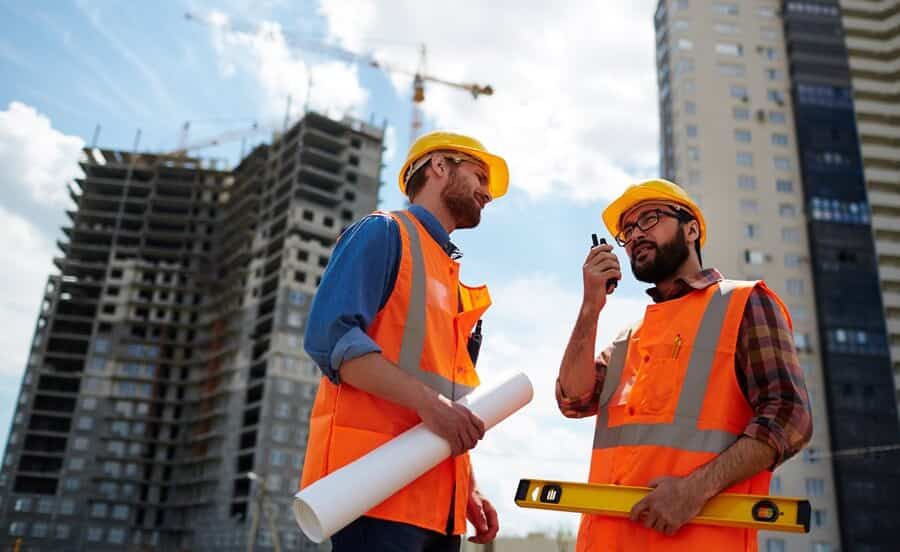
Successful coordination and communication are vital components in the favorable outcome of construction endeavors, as they ensure all parties are in agreement with the project's objectives and schedules. A commercial general contractor plays a pivotal role in facilitating this process by creating transparent communication pathways among subcontractors, suppliers, clients, and architects. They make certain that updates regarding potential issues, modifications, and progress updates are communicated in a timely and clear manner.
Routine meetings and progress reports are essential to this management effort, facilitating the swift settlement of disputes and the adjustment of schedules as needed. The ability of the contractor to encourage cooperation among various groups boosts the project's overall effectiveness and reduces confusion. The adoption of project management tools and software can make communication more efficient, making sure that all parties have access to the latest data. In the end, good coordination and clear communication result in superior project deliverables and client contentment in the construction industry.
Financial Oversight and Budget Control
Budget management and financial oversight are essential to the successful execution of construction projects, guaranteeing efficient resource allocation and costs are controlled. The general contractor is instrumental in this process by establishing precise budgets based on the scope of work and expected client outcomes. The contractor tracks spending throughout the entire project, spotting deviations and performing needed modifications to steer clear of exceeding the budget.
The contractor works closely with suppliers and subcontractors to finalize agreements, guaranteeing fair pricing while upholding standards of quality. Frequent financial updates and forecasts permit stakeholders to remain current and make timely decisions. By enforcing rigorous financial measures, the contractor mitigates risks associated with unanticipated expenditures, preserving the financial stability of the project. Fundamentally, prudent fiscal management and oversight not only enhance project viability but also cultivate a reliable relationship with the client, paving the way for successful project completion.
Maintaining High Safety and Quality Levels
A comprehensive strategy for guaranteeing safety and quality is vital in the building sector, where the stakes are high and errors can be costly. Commercial general contractors play a pivotal role in establishing strict safety guidelines and quality assurance measures from start to finish. It is their duty to follow industry standards, local codes, and best practices, which helps mitigate risks and improves the reliability of the project.
In order to meet these goals, contractors often start now perform frequent job site reviews, check that safety procedures are followed, and supply regular workforce instruction. They also engage qualified subcontractors and suppliers who share a commitment to quality, guaranteeing that labor and supplies adhere to set standards. By fostering a culture of safety and quality, commercial general contractors not only protect their workforce but also increase the permanence and strength of their structures, resulting in successful projects and happy customers.
Commonly Asked Questions
Which Credentials Should I Seek in a General Contractor?
In choosing a general contractor, one should consider their licenses, insurance, experience, references, and project portfolio - Hickory top rated Commercial General Contractor. Furthermore, strong communication abilities and a demonstrated ability to manage time and financial constraints are crucial for achieving project success
How Should I Go About Picking the Right Contractor for My Project?
In order to choose the best contractor, one should assess their background, verify past clients, review past projects, confirm licenses and insurance, and guarantee clear communication. A comprehensive interview stage can help determine compatibility with project goals.
What Issues Are Typical for Commercial Builders?
Commercial general contractors often face challenges such as budget constraints, scheduling conflicts, labor shortages, regulatory compliance, and managing subcontractors. These issues can impact project timelines, costs, and overall quality if not effectively addressed throughout the process.
How Do Builders Deal With Surprises During the Construction Phase?
To handle unexpected construction issues, builders usually determining the situation fast, formulating alternative solutions, and communicating with stakeholders. Hickory top rated Commercial General Contractor. Project members often depend on teamwork and their experience to execute solutions, ensuring minimal disruption to the project's timeline and budget
What's the Typical Timeline for a Commercial Construction Project?
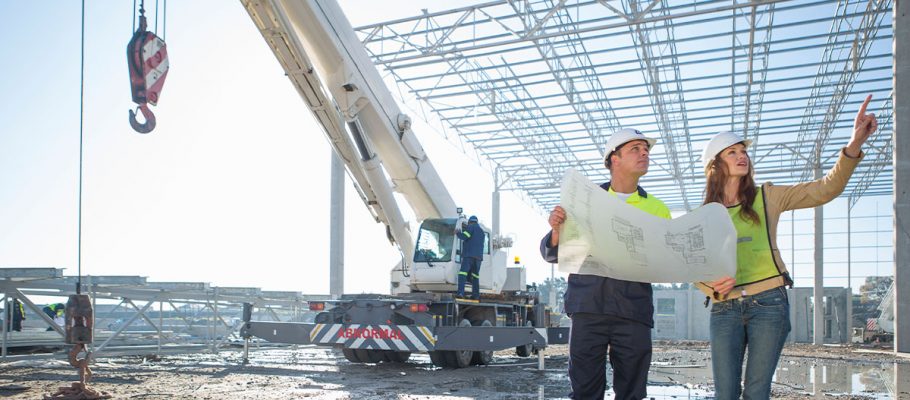
The standard timeframe for a commercial construction project ranges from a few months up to several years, based on factors such as the project's extent, complexity, the permitting process, and the labor and material availability.